
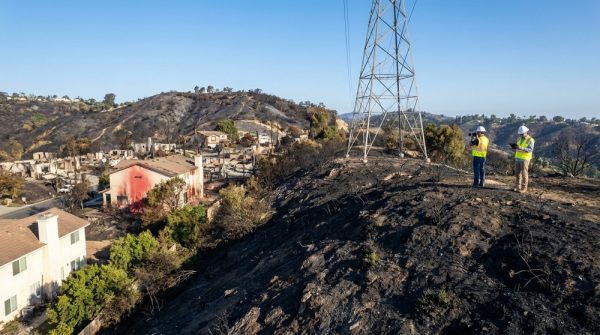
 California wildfire losses have generated billions in insurance payouts over the past decade — and for property carriers who paid those claims, a significant portion of that cost may be recoverable through subrogation. When a wildfire is caused or contributed to by a negligent utility, equipment manufacturer, or identifiable third party, the carrier has a legal right to pursue recovery. Capalbo Daniel, PC is a San Diego-based subrogation law firm that handles property subrogation wildfire California matters for insurance carriers statewide — from initial investigation through final resolution.
Why California Wildfire Losses Create Subrogation Opportunities
California has experienced some of the most destructive fire seasons on record. According to Cal Fire, the 2018 Camp Fire alone destroyed more than 18,000 structures and generated an estimated $16.65 billion in insured losses. The 2021 Dixie Fire and the 2023–2024 Southern California fires added billions more to carriers’ books. What matters for subrogation is whether those fires had an identifiable responsible party.
Electrical utilities have faced liability for multiple major California fires — including PG&E’s admitted responsibility for the Camp Fire. Equipment failures, improper vegetation management, and contractor negligence have also been established causes in documented wildfire litigation. When a third party’s negligence caused or spread a fire, every carrier that paid a covered loss holds a subrogation interest. The question is whether the carrier acts quickly enough to protect it.
Who Can Be Held Liable in a Wildfire Subrogation Case
Liability in wildfire subrogation claims typically falls into one of several categories. Electric utilities are the most common target. California’s inverse condemnation doctrine holds utilities strictly liable when their equipment causes a fire — even without proof of negligence. This is a meaningful advantage for carriers pursuing property insurance subrogation recovery, because the evidentiary burden is lower than a standard negligence action.
Equipment manufacturers may be liable when a defective product — a generator, power tool, or vehicle component — caused or contributed to ignition. Private landowners or contractors can also carry liability when improper vegetation clearing or site management contributed to a fire. Each theory carries its own statute of limitations and evidentiary demands.
The Evidence Clock: Why Delayed Investigation Costs Carriers Recovery
In property subrogation wildfire California matters, the evidence clock starts the moment a fire is contained. Fire scene burn patterns are disturbed by cleanup equipment. Debris is cleared by remediation crews. Witnesses disperse. The longer a carrier waits, the harder it becomes to establish the causation chain that supports a recovery demand. Carriers who assume a class action or regulatory proceeding will preserve their individual rights often find themselves without the documentation needed to pursue a standalone claim.
Capalbo Daniel, PC moves quickly after a wildfire loss to secure preservation orders, retain origin-and-cause experts, and build the evidentiary record before it degrades. If your organization has open fire-related property claims, contact Capalbo Daniel, PC for a recovery assessment before evidence windows close.
How California Law Governs Wildfire Property Subrogation
Property subrogation in California is governed by a mix of common law principles and statutory rights. Insurance Code Section 11580.1 addresses subrogation in liability insurance contexts. For inverse condemnation California claims against utilities, the Public Utilities Code adds a layer of liability analysis tied to the utility’s obligation to maintain safe equipment and vegetation clearance.
The general property damage statute of limitations under Code of Civil Procedure Section 338(b) is three years from the date of loss. However, inverse condemnation claims may accrue on a different timeline depending on when the carrier first had reason to know about the third-party cause. Getting counsel involved early means the legal strategy is built around actual deadlines — not assumptions that turn costly later.
Coordinating the Property Claim With the Subrogation Case
A common mistake is treating the property claim and the subrogation case as unrelated matters. If the insured’s attorney reaches a global settlement with the responsible utility, the carrier’s subrogation interest may be fully released unless a proper lien was established beforehand. This is especially common in mass wildfire litigation, where class-wide settlements resolve all claims from a single fire event.
Carriers that haven’t established their subrogation position before those settlements close often find their wildfire third party liability recovery absorbed into a deal they didn’t negotiate. Capalbo Daniel, PC coordinates with property adjusters and claims leadership to ensure the subrogation position is preserved from initial payment through final resolution — California wildfire insurance recovery done with both tracks running in parallel.
What the Recovery Process Looks Like for Property Carriers
Most California wildfire subrogation cases resolve through negotiation, mediation, or coordinated utility proceedings. After origin-and-cause investigation establishes liability, subrogation counsel builds the damages case: documented claim payments, replacement cost valuations, additional living expense reimbursements, and any other covered losses the carrier paid. In inverse condemnation matters, carriers often participate in coordinated programs where multiple insurers pool evidence to pursue the responsible party collectively.
Even in coordinated matters, having a dedicated wildfire subrogation attorney California carrier-side ensures individual interests are protected and recovery is maximized, not averaged. Capalbo Daniel, PC has managed coordinated recovery efforts across major California fire events with $40M+ in recent recoveries and savings across its active client portfolio.
Frequently Asked Questions About Wildfire Property Subrogation
When should a carrier open a subrogation file after a California wildfire?
The moment a covered loss is established and a third-party cause is possible. Waiting for the liability picture to clarify can result in lost evidence and missed deadlines. Subrogation counsel can conduct the investigation while the property claim is still being adjusted — the two processes run in parallel, not in sequence.
Does participating in a class action affect a carrier’s individual subrogation rights?
It depends on how the class settlement is structured. Global releases in California wildfire class actions can extinguish individual carrier subrogation interests if those interests are not separately preserved. Carriers should have California subrogation counsel review any proposed group settlement before agreeing to participate.
What information does outside counsel need to begin a wildfire investigation?
Counsel needs the claim file — policy, adjuster notes, and payment records — along with the loss location address, any available scene photographs, and what the insured has shared about the fire cause. Missing information can be gathered during investigation; missed deadlines cannot be undone.
Can carriers recover even if the responsible utility settles with state regulators?
Regulatory penalties and civil subrogation claims are separate legal matters. A utility paying fines to the California Public Utilities Commission does not eliminate a carrier’s right to pursue civil recovery. Some of the largest California wildfire insurance recovery settlements have occurred in cases where the utility simultaneously faced significant regulatory consequences.
Ready to Get Started?
California wildfire property claims rarely close without a subrogation opportunity worth assessing. Capalbo Daniel, PC can review your open fire-related losses and identify recovery options before evidence and deadlines are lost.
Contact Capalbo Daniel, PC or call us at (619) 485-5960.